Ceramic Supplies and Traditional Chinese Cultural Heritage
Ceramic supplies are an important part of traditional Chinese culture and a moving cultural treasure that has gone through thousands of years. As early as ancient times, our ancestors began to make simple pottery utensils to store food and water. With the progress of the times, ceramic craftsmanship became more and more mature. From plain pottery in primitive society to exquisite porcelain in Tang and Song dynasties, ceramic supplies have been accompanying the development of Chinese civilization and recording the changes of history and customs.
Different dynasties have their own representative ceramic supplies with distinctive characteristics. The simple and rough pottery in the Neolithic age reflects the simple life of ancient ancestors; the elegant celadon in the Song dynasty is quiet and low-key, reflecting the elegant aesthetic pursuit of scholars at that time; the bright and colorful painted porcelain in the Ming and Qing dynasties is decorated with dragon and phoenix, flowers and other patterns, implying auspiciousness and prosperity, and is often used as court utensils and ritual supplies. These ancient ceramic cultural relics unearthed today are not only utensils, but also important materials for historians to study ancient life, etiquette and aesthetic culture.
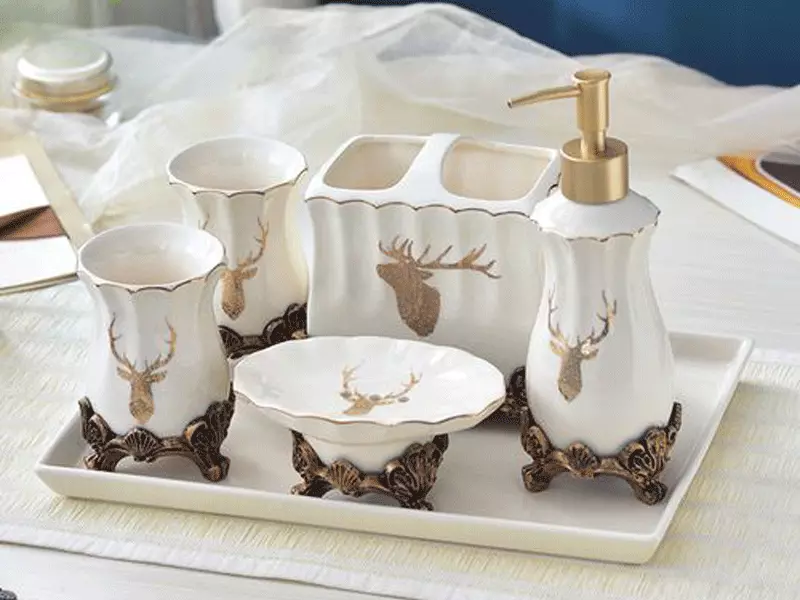
Nowadays, traditional cultural ceramic supplies are still popular. Many families will put a ceramic vase with ancient patterns, a set of retro ceramic tea sets or hand-painted ceramic ornaments at home. These supplies can decorate the space and cultivate people's sentiments. At the same time, more and more ceramic cultural and creative products have appeared, combining traditional ceramic patterns with modern daily utensils, so that traditional culture can enter ordinary people's homes. Protecting ceramic craftsmanship and inheriting ceramic culture is to guard the precious cultural memory of the nation and let ancient beauty glow with new vitality in modern life.
Previous: The Traditional Craftsmanship Behind Handmade Ceramic Supplies
Next: The Traditional and Modern Production Processes of Ceramic Wares
